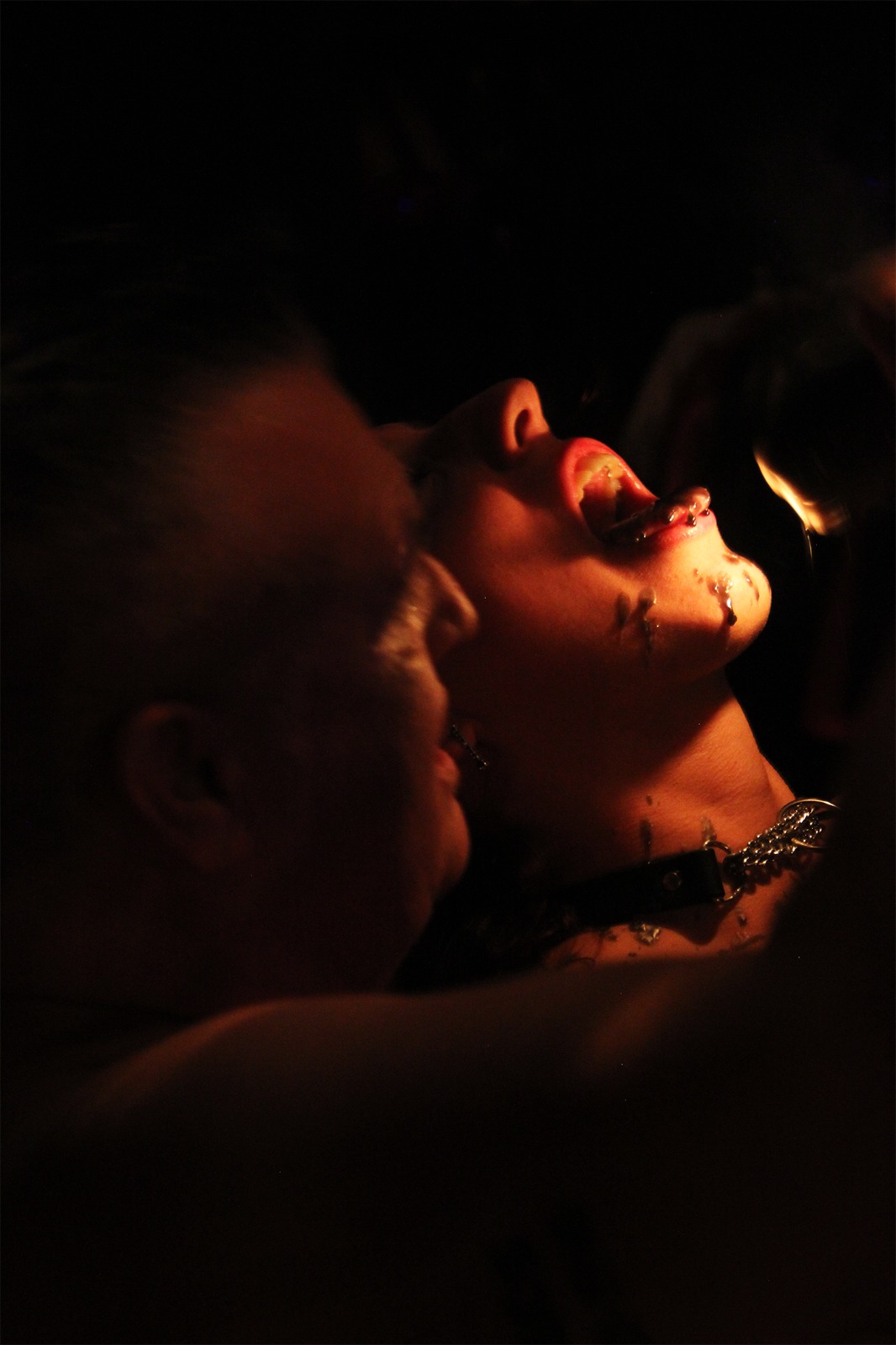
Partial Suspension
◆ Intermediate · Bondage ◆
Partial Suspension
Partial suspension is a bondage technique where the bottom remains in contact with the ground or support surface while rope or restraints bear some of their body weight, creating a hybrid between floor-based bondage and full suspension.
What partial suspension means
Partial suspension represents an intermediate approach to rope bondage that bridges the gap between ground-based restraint and complete aerial work. In partial suspension, the bottom maintains at least one point of contact with the floor or a stable surface whilst rope or other restraints support a portion of their body weight. This creates unique physical sensations and psychological experiences that differ from both traditional bondage and full suspension work.
The defining characteristic of partial suspension is the distribution of weight between the bottom's own support points and the suspension system. Common configurations include kneeling positions where the torso is lifted, standing poses where one leg is raised, or seated positions where the hips are partially elevated. This weight-sharing arrangement allows for dynamic movement and position changes that would be impossible in full suspension whilst maintaining the intensity of elevated bondage.
Within BDSM and kink communities, partial suspension serves multiple purposes. It offers an accessible entry point for practitioners building towards full suspension work, provides options for those with physical limitations that preclude complete aerial bondage, and creates distinct aesthetic and sensory experiences valued in their own right. The technique appears in both Western bondage and Japanese rope traditions, each bringing different philosophical approaches to the practice.
How partial suspension is practiced
Partial suspension requires careful planning, appropriate equipment, and thorough negotiation between partners. The top must understand load distribution, anchor point selection, and the specific risks associated with hybrid weight-bearing positions before attempting any partial suspension work.
- Equipment selection: Use rated suspension points, appropriate rope or restraints, and backup safety measures designed for load-bearing applications in partial suspension scenes.
- Position planning: Design configurations that distribute weight safely between ground contact and suspension points, avoiding positions that create excessive strain on joints or nerves.
- Progressive elevation: Begin with minimal weight transfer and gradually increase suspension elements, allowing both partners to assess comfort and stability throughout the partial suspension.
- Communication protocols: Establish clear safewords and non-verbal signals, as partial suspension can limit mobility and make verbal communication challenging during scenes.
- Monitoring and adjustment: Continuously assess circulation, nerve function, and comfort levels, making immediate adjustments if any concerning symptoms appear during partial suspension play.
Successful partial suspension depends on the top's technical knowledge and the bottom's body awareness. Both partners must commit to ongoing education, practice with experienced practitioners, and honest communication about physical limitations and comfort levels throughout their exploration.
Safety and consent considerations
Partial suspension carries specific risks that require informed consent and careful risk management. Nerve compression, circulation restriction, and joint strain can occur even when the bottom maintains ground contact. The hybrid nature of partial suspension creates unique pressure points where rope or restraints bear concentrated weight, making proper placement and regular monitoring essential. Partners must negotiate time limits, discuss relevant medical conditions, and establish emergency procedures before beginning any partial suspension scene.
Physical preparation significantly impacts safety in partial suspension work. The bottom should avoid partial suspension when fatigued, dehydrated, or under the influence of substances that impair sensation or judgment. The top must maintain the physical capability to support, adjust, or release the bottom quickly if complications arise. Both partners benefit from understanding basic anatomy, particularly the locations of major nerves and blood vessels vulnerable during partial suspension. Regular check-ins during scenes and thorough aftercare following partial suspension help identify and address any issues promptly.
Further reading
◆ Go deeper
Connection and Control: The Psychology of Bondage
Explore the psychological dimensions of bondage practices including partial suspension, learning how restraint creates intimacy, trust, and profound power exchange experiences between partners in BDSM dynamics.
Frequently asked questions
How does partial suspension differ from full suspension bondage?
Partial suspension maintains at least one point of ground contact whilst rope bears some body weight, whereas full suspension elevates the bottom completely off the ground. This makes partial suspension more accessible for beginners and creates different physical sensations and aesthetic presentations within bondage scenes.
What are the main risks associated with partial suspension?
Primary risks include nerve compression, circulation restriction, joint strain, and falls if equipment fails or the bottom loses balance. The hybrid weight distribution in partial suspension creates concentrated pressure points requiring careful rope placement, continuous monitoring, and immediate response to any signs of numbness, tingling, or discomfort.
Can partial suspension be practiced without specialized equipment?
No, partial suspension requires rated anchor points, appropriate load-bearing rope or restraints, and safety equipment designed for suspension work. Using non-rated furniture, door frames, or inadequate materials creates serious injury risks. Investment in proper equipment and education is essential before attempting any partial suspension practice.
How long can someone safely remain in partial suspension?
Duration varies based on the specific position, individual physiology, and experience level, but most partial suspension scenes last between five and twenty minutes. Beginners should start with very brief sessions and gradually increase duration whilst continuously monitoring for circulation issues, nerve compression, or muscle fatigue throughout the scene.
Ready to turn understanding into practice?
Our self-paced course BDSM Fundamentals: Introduction to BDSM Practices takes you from curiosity to confident, safe practice — with lifetime access.
Enrol Now · €99
You may also like

Fiesta BDSM en Málaga: NTV El Oxígeno x Temple of Chains (nov. 2026)

BDSM Party in Málaga: NTV El Oxígeno x Temple of Chains (Nov 2026)