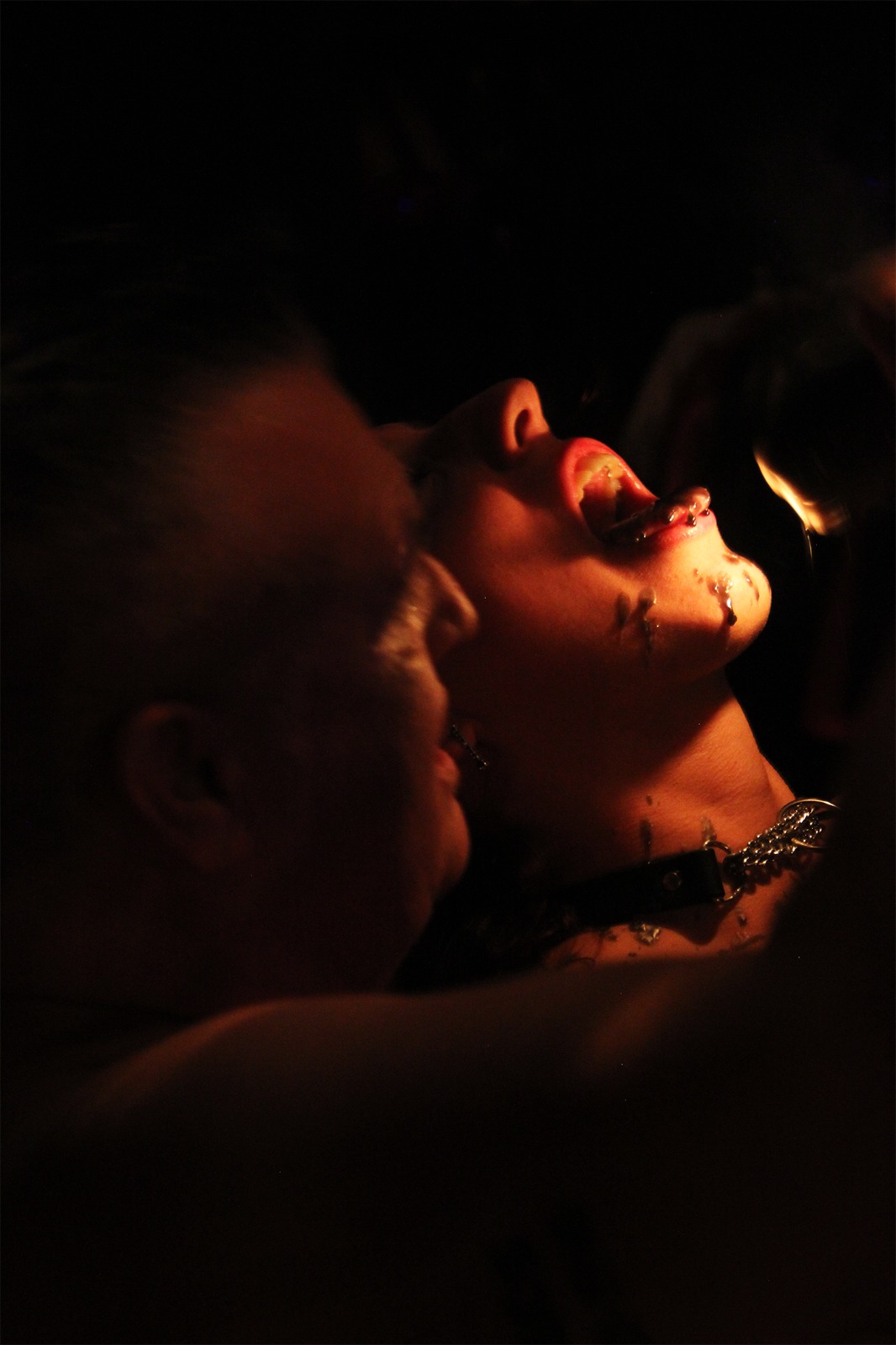
Scratching
◆ Beginner · Sensation Play ◆
Scratching
Scratching is a tactile sensation play technique in BDSM where one partner uses fingernails or implements to drag across the skin, creating sensations ranging from gentle tickling to intense pain. This accessible practice requires minimal equipment and offers immediate feedback between partners.
What scratching means
Scratching in BDSM refers to the deliberate application of fingernails or similar implements across a partner's skin during play. This sensation technique sits within the broader category of sensation play and can produce a wide spectrum of experiences. The practice may involve light, teasing strokes that barely graze the surface or deeper pressure that leaves temporary marks. Scratching activates nerve endings differently than impact play, creating unique sensory responses that many submissives and bottoms find intensely pleasurable or satisfyingly painful.
The appeal of scratching lies in its versatility and accessibility within kink dynamics. Dominants and tops can modulate intensity through pressure, speed, and nail length, making scratching responsive to moment-by-moment feedback during scenes. The practice works well as standalone play or combined with other BDSM activities. Scratching can heighten arousal, create visual marks that serve as reminders of the scene, or function as a form of sensation-based control within power exchange relationships.
Within BDSM contexts, scratching differs from casual touch through its intentional application and negotiated intensity. Partners typically discuss preferences regarding pressure, body areas, and whether marking is desired before incorporating scratching into play. The technique requires no specialized equipment beyond well-maintained fingernails, making it accessible for beginners exploring sensation play. Many practitioners appreciate how scratching allows for intimate connection while maintaining clear dominant and submissive roles throughout the scene.
How scratching is practiced
Scratching techniques in BDSM scenes vary widely based on negotiated intensity and desired outcomes. Practitioners typically begin with lighter pressure to assess tolerance and build sensation gradually. The dominant or top controls pressure, speed, and location while monitoring the submissive or bottom's responses throughout play.
- Light scratching: Gentle dragging of nails across skin creates tingling sensations, often used for teasing or building arousal during foreplay.
- Moderate scratching: Increased pressure leaves visible red lines without breaking skin, providing stronger sensation and temporary visual marks.
- Deep scratching: Firm pressure that may leave welts or surface abrasions, requiring careful negotiation and awareness of skin integrity.
- Pattern scratching: Creating deliberate designs or words on skin combines sensation with visual elements, adding psychological dimensions to play.
- Implement scratching: Using tools like vampire gloves or wartenberg pinwheels extends scratching sensations beyond what fingernails alone provide.
Effective scratching in BDSM requires attention to body areas with different sensitivity levels. Backs, thighs, and buttocks typically tolerate more intense scratching, while areas with thinner skin demand lighter touch. Partners establish safewords and check in regularly during scenes to maintain consent.
Safety and consent considerations
Scratching safety in kink scenes centres on preventing skin breaks that could introduce infection risks. Dominants and tops should maintain clean, smooth fingernails without jagged edges that might tear skin unintentionally. Negotiation before play must cover intensity limits, acceptable body areas, and whether marking is desired. Partners should avoid scratching over existing wounds, rashes, or compromised skin. Submissives and bottoms should communicate immediately if sensations become unpleasant or if skin feels damaged during the scene.
Aftercare following scratching scenes addresses both physical and emotional needs. Scratched areas may benefit from gentle cleansing and moisturizing to support skin recovery. Partners should monitor marks for signs of infection in subsequent days, particularly if skin was broken. Emotional aftercare allows submissives to process intense sensations and reconnect with dominants. Discussion of what worked well and what to adjust strengthens future scenes and deepens trust within the dynamic.
Further reading
◆ Go deeper
The Balance of Sensation: Mastering Pain and Pleasure
Explore the full spectrum of sensation play techniques including scratching, learn to read partner responses accurately, and develop skills for creating memorable scenes that balance intensity with safety and connection.
Frequently asked questions
Is scratching safe for BDSM beginners?
Scratching is highly accessible for beginners because it requires no special equipment and allows immediate intensity adjustment. Start with light pressure, establish clear communication, and gradually explore deeper sensations as trust and experience develop within your dynamic.
How do I prevent infection from scratching during scenes?
Maintain clean, smooth fingernails and avoid scratching over broken skin or existing wounds. If skin breaks occur during play, cleanse the area gently and monitor for signs of infection. Most scratching in BDSM contexts stays at surface level without breaking skin when practiced mindfully.
Can scratching leave permanent marks?
Light to moderate scratching typically leaves temporary redness or raised lines that fade within hours to days. Deeper scratching may create marks lasting several days but rarely causes permanent scarring when skin integrity is maintained. Negotiate marking preferences clearly before incorporating scratching into scenes.
What body areas work best for scratching in kink play?
Backs, shoulders, thighs, and buttocks typically tolerate more intense scratching due to thicker skin and fewer sensitive structures. Areas with thinner skin like inner arms, neck, or chest require lighter pressure. Always avoid scratching near eyes, genitals, or over joints where skin moves considerably during play.
Ready to turn understanding into practice?
Our self-paced course BDSM Fundamentals: Introduction to BDSM Practices takes you from curiosity to confident, safe practice — with lifetime access.
Enrol Now · €99
You may also like

Fiesta BDSM en Málaga: NTV El Oxígeno x Temple of Chains (nov. 2026)

BDSM Party in Málaga: NTV El Oxígeno x Temple of Chains (Nov 2026)